
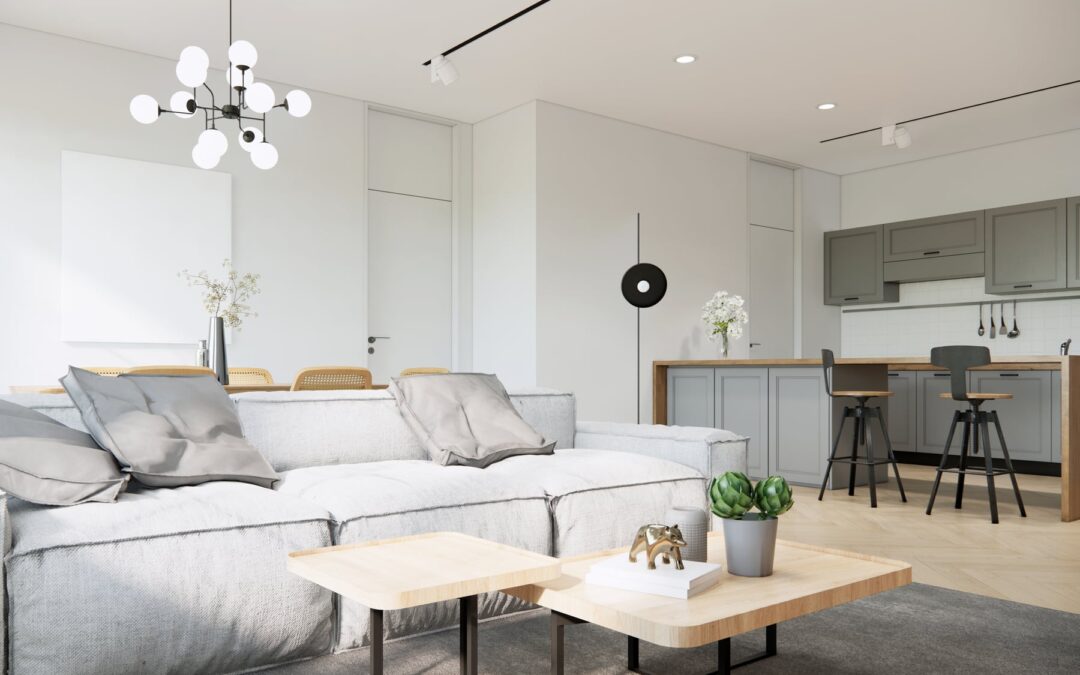
One of the biggest mistakes sellers make is treating staging like an optional finishing touch instead of part of the sales strategy. I’ve seen homes with strong layouts and great locations struggle simply because the presentation felt unfinished or emotionally flat. Buyers react quickly when they walk into a home, and those first impressions shape the rest of the showing.
That emotional connection matters because buyers are comparing your home against every other listing they’ve already seen online that week. Most people start forming opinions before they even step through the front door based on the photos, room flow, and overall feel of the property. I’ve watched buyers completely change their energy the moment they walk into a well-presented home.
The numbers support what many agents see in real life every day. According to the National Association of REALTORS® 2025 Profile of Home Staging, 83% of buyers’ agents said staging made it easier for buyers to visualize the property as a future home, while 30% of sellers’ agents reported slight decreases in days on market for staged homes. Another 17% of buyers’ agents said staging increased offer values by 1% to 5%.
Buyers Make Emotional Decisions Faster Than Most Sellers Expect
Most buyers believe they’re making purely financial decisions, but emotion drives a huge part of the process. I’ve walked through homes where buyers immediately relaxed because the space felt calm, organized, and move-in ready. I’ve also seen buyers lose interest within minutes because rooms felt cramped, dark, or difficult to understand.
That’s where staging changes the experience. Good staging helps buyers understand how rooms function, how furniture fits, and how the home flows from one space to another. Empty rooms often feel smaller than they actually are, while overcrowded rooms create stress and distraction during the showing.
According to the Home Staging Institute, 95% of buyers’ agents agree staging affects how buyers view a home, and nearly 85% agree staged homes tend to sell faster. That faster timeline matters because once a home sits on the market too long, buyers often start wondering if something is wrong with it. I’ve seen sellers lose negotiating leverage simply because the presentation didn’t create enough urgency during those first few weeks on the market.
Your Online Presentation Is Doing Most of the Early Selling
Before buyers ever schedule a showing, they’re making decisions based on your listing photos. Your home is competing for attention against dozens of other listings buyers scroll through in a single evening. If the photos feel cluttered, dark, empty, or visually confusing, many buyers move on immediately.
Staging improves how a home photographs because it adds scale, warmth, and structure to each room. Buyers can better understand room dimensions and how the spaces actually function in daily life. The Home Staging Institute reports staged homes can receive up to 10% more online views than unstaged homes.
More online attention usually leads to more showings, which creates stronger opportunities for buyer competition. This is one reason I spend so much time talking with sellers about preparation before the listing ever goes live. Marketing starts long before the home officially hits the market.
Some Rooms Carry More Weight Than Others
Not every room influences buyers equally, so I always help sellers prioritize the spaces that create the biggest impact first. According to the National Association of REALTORS®, the most important rooms to stage are the living room, primary bedroom, and kitchen. Those spaces shape the emotional experience buyers have while touring the home.
The living room helps buyers picture everyday life inside the property. They imagine relaxing after work, hosting friends, or spending weekends there with family. I’ve seen simple furniture adjustments completely change how open and inviting a room feels during showings.
The primary bedroom influences comfort and privacy, while the kitchen strongly affects perceived value and maintenance. Buyers naturally pay close attention to kitchens because they associate them with functionality and future expenses. Even smaller improvements like clearing counters, improving lighting, and simplifying decor can dramatically improve how polished the space feels.
Staging Helps Buyers Understand Space and Scale
One thing sellers often overlook is how staging helps buyers judge dimensions more accurately. Vacant homes create uncertainty because buyers struggle to understand how furniture will fit inside the rooms. I’ve seen buyers walk into empty spaces and assume the rooms were much smaller than they actually were.
Strategic staging solves that problem visually. A staged dining room helps buyers understand seating capacity and traffic flow, while a staged living room demonstrates furniture placement and conversation areas. Those details help buyers feel more confident while touring the property.
Confidence matters during the decision-making process. Buyers tend to move faster on homes that feel emotionally comfortable and easy to understand. When buyers feel uncertain or overwhelmed, they often keep looking instead of making an offer.
The Financial Side of Staging
A lot of sellers ask if staging is financially worth the investment. In many cases, the answer is yes, especially when staging is approached strategically instead of treating it like luxury decor. According to the Home Staging Institute, staging costs typically range from $3,000 to $5,000 or more depending on the size of the property and how much work is needed.
The same source reports staging ROI can exceed 550%. That return comes from stronger buyer engagement, fewer price reductions, and improved showing performance throughout the listing period. Presentation shapes perceived value, and buyers consistently respond more positively to homes that feel move-in ready.
The Real Estate Staging Association also reported in its 2025 market snapshots that staged listings averaged roughly 7% to 13% above asking price depending on the quarter and listing price. That statistic deserves context because not every market behaves the same way, and staging alone does not guarantee above-asking offers. Still, strong presentation consistently gives sellers a measurable advantage.
Why Strategic Guidance Matters During the Selling Process
This is one reason sellers benefit from working with an agent who understands buyer psychology and presentation strategy. Selling your home involves much more than putting a listing online and waiting for offers to appear. Preparation, pricing, staging, and marketing all work together to shape buyer response.
Sometimes the strategy involves professional staging services. Other times, smaller adjustments like removing oversized furniture, improving lighting, or redefining how a room is used create the biggest impact. The goal is always to help buyers emotionally connect with the home as quickly as possible.
The homes that create the strongest reactions are usually the ones that feel intentional, clean, and easy to picture living in. Buyers remember that feeling long after the showing ends. That emotional connection often becomes the reason they come back for a second tour or decide to write an offer.
Recent Comments